A PRACTICAL GUIDE · INDEPENDENTLY RESEARCHED
Understanding lung cancer: tests, terms and questions to ask.
Finding your way through appointments, scans and unfamiliar words can feel overwhelming. This independent guide explains common tests and terms, and offers questions to take to your care team. It is general information, not a diagnosis or personalised medical advice. It has not been clinically reviewed and is not a patient alliance, charity or healthcare service.
Explore the guide ↓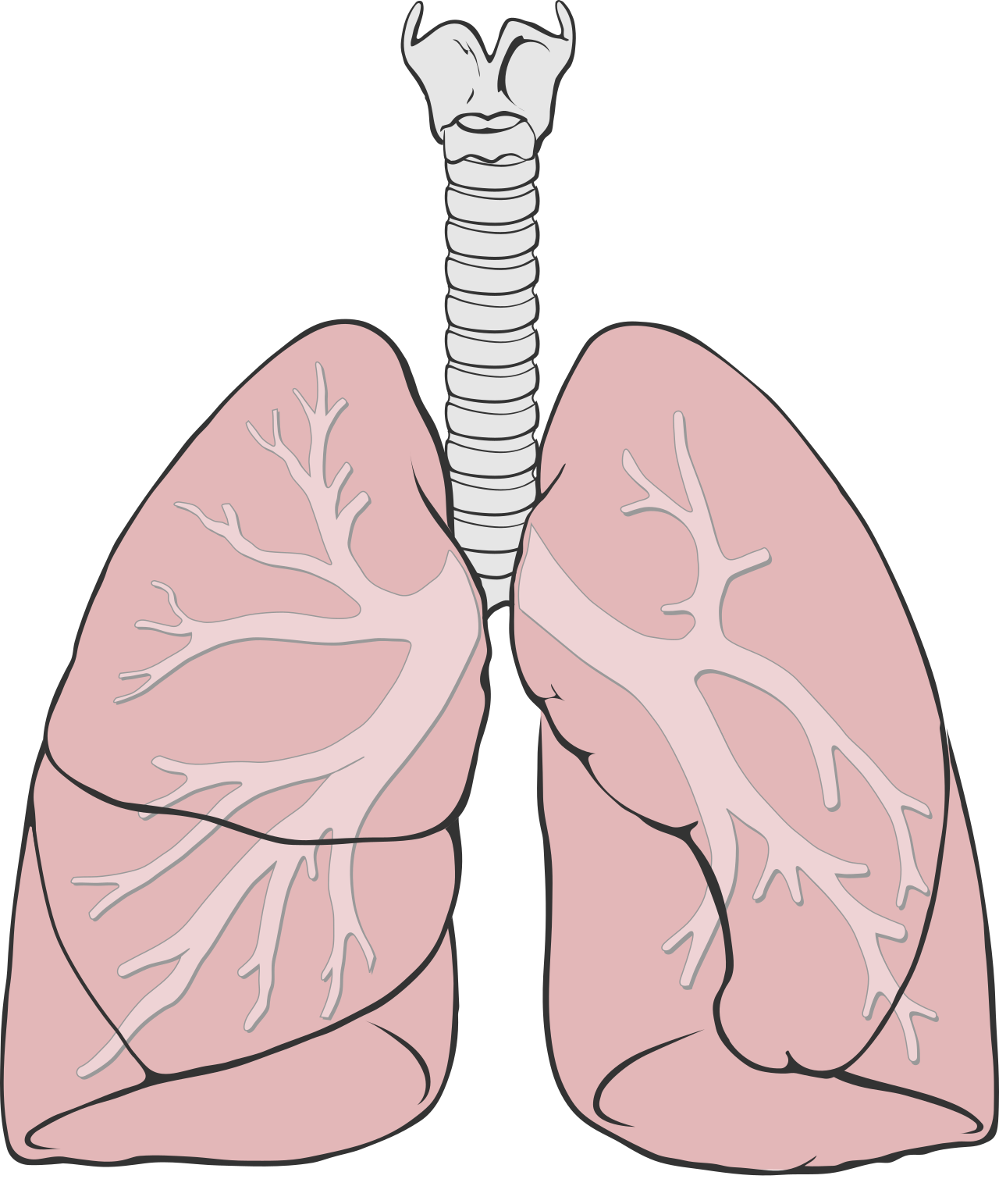
First, know when to get help
See a GP if you have a cough lasting more than three weeks, or other symptoms such as persistent breathlessness, repeated chest infections or unexplained weight loss. These symptoms can have other causes; they do not establish a cancer diagnosis. An urgent referral is a request for further assessment, not confirmation that you have cancer.
For small flecks or streaks of coughed-up blood, ask for an urgent GP appointment or call NHS 111. Call 999 or go to A&E immediately if you cough up more than a few spots or streaks, or cough up blood with difficulty breathing, a very fast heartbeat, or chest or upper-back pain. Call 999 for severe breathing difficulty, such as gasping or being unable to speak. Do not drive yourself to A&E.
If you are already receiving cancer treatment, follow your team's instructions about symptoms and their urgent contact number. This website and its contact form cannot provide medical assessment or emergency help.
What the investigations are trying to answer
Tests may explore whether an abnormality is cancer, what kind it is and whether it has spread. Different investigations answer different questions, so having another test does not by itself tell you that things have become worse. Your team should explain what remains uncertain.
A chest X-ray can show changes, but changes can have causes other than cancer. A CT scan uses X-rays and computer processing to make detailed pictures. A PET-CT combines anatomical pictures with information about activity in the body. It can help the team assess the extent of disease and plan care. Not everyone needs every scan or test.
Useful questions are: What is this test looking for? How will it affect the next decision? Is there preparation I need to follow? When will someone discuss the result with me? Use the appointment instructions for practical details rather than relying on a general website.
Biopsies, bronchoscopy and EBUS
A biopsy is a sample of tissue examined in a laboratory. A bronchoscopy uses a thin flexible tube and camera to look inside the airways; samples can be taken during the procedure. A needle biopsy can take lung tissue through the skin. The appropriate method depends on the area being investigated and your circumstances.
EBUS means endobronchial ultrasound. A probe on a flexible tube helps the clinician see structures around the airways, including lymph nodes, and take samples. You may hear EBUS-TBNA, referring to sampling with a needle. These names describe procedures, not a diagnosis.
Before a procedure, ask what the main benefits and risks are, whether sedation is involved, and what you should do about your usual medicines. Follow the team's instructions; do not stop medicines on your own. Ask whom to contact if you become unwell afterwards, and what happens if the sample does not answer the question.
A short guide to the language
Type describes the kind of cancer cell. The two main groups of primary lung cancer are non-small cell lung cancer, often shortened to NSCLC, and small cell lung cancer, or SCLC. Names such as adenocarcinoma and squamous cell carcinoma describe subtypes. Primary lung cancer starts in the lung; secondary cancer in the lungs has spread there from elsewhere.
Stage describes the size and spread of a cancer. TNM stands for tumour, node and metastasis: information about the tumour, lymph nodes and spread to other parts of the body. You may also hear a numbered stage, or limited and extensive disease in discussions of small cell lung cancer.
A term in a letter is not a complete explanation of your situation. Ask: What does this word mean in my report? Is this confirmed, suspected or still being investigated? Which results are still outstanding? Request an explanation in everyday language instead of trying to interpret a scan or pathology report alone.
Why further laboratory testing may matter
Some lung cancers have particular changes in genes or proteins that can help guide treatment choices. Your team may discuss molecular testing, biomarkers or tests such as EGFR, ALK or PD-L1. The relevant tests vary with the type of cancer and clinical situation.
A liquid biopsy is a blood test that looks for pieces of cancer DNA. It can provide information about gene changes, but many people still need a tissue biopsy. Availability and the way it is used can differ between services. A mention of genetic testing does not automatically mean that relatives have an inherited risk. Ask the team which kind of testing is being discussed.
Questions to take along include: Is my sample suitable for the tests you need? Are any results still pending? Could those results change the options we discuss? If a result is unclear, what is the next step? This guide cannot select a test or treatment for you.
Make an appointment easier to follow
Before you go, write down the two or three questions that matter most to you. Leave space beside each one for the answer. Take a list of medicines and the appointment letter. If you would like someone with you, ask about bringing a relative or friend and any practical arrangements.
You might ask: What do we know so far? What do we not know yet? What happens next, and who is responsible for arranging it? Who should I contact if I do not hear anything? What changes should I report while I am waiting? Can I have a written summary?
If a diagnosis has been confirmed, ask who your clinical nurse specialist is and how to contact them. Ask your specialist about the purpose of any proposed treatment, possible benefits and harms, alternatives, and time to consider your choices. You do not have to remember everything at once; ask for clarification when you need it.
Support while waiting and after results
Waiting for results can be difficult. Ask the hospital or your GP for an update if you are worried about when they will arrive. There is no single timetable that applies to every investigation. Keep the contact details and follow-up plan somewhere easy to find.
Macmillan provides information and support for people affected by cancer, including emotional and practical concerns. Its free support line is 0808 808 00 00. Check its website for current opening times and other ways to get help. You can also ask your care team about local support and help for family members.
The sources below are a starting point for further reading. This guide is independently published by UK Domain Trader and is not affiliated with a former organisation that may have used this domain, the NHS or the charities linked here. Use our form only for website enquiries or editorial corrections. Do not send medical records, symptoms or test results.
Independent, and open to better information.
This guide is published by UK Domain Trader. It is an introductory resource, not personalised professional advice or an endorsement by the organisations listed. Links are included to help you find reliable information. No business has paid for an editorial mention in this guide. Know a useful resource, or spotted something that needs correcting? Tell us below.
Research sources and image attribution
- NHS: lung cancer symptoms · researched 2026-09-30
- NHS: tests and next steps · researched 2026-09-30
- Cancer Research UK: tests for lung cancer · researched 2026-09-30
- Cancer Research UK: types of lung cancer · researched 2026-09-30
- Cancer Research UK: stages of lung cancer · researched 2026-09-30
- Macmillan: lung cancer information and support · researched 2026-09-30
- NHS: coughing up blood · researched 2026-09-30
Photograph: Patrick J. Lynch, medical illustrator / Wikimedia Commons. Original and rights information. CC BY 2.5. Displayed without alteration; the responsive layout may crop its visible area.
MAKE A CONNECTION
Have something
to share?
Send a correction, suggest a useful link or ask about a potential sponsorship.
Your privacy
UKC LABS LTD, trading as UK Domain Trader, operates this guide. The enquiry form sends your name, email, message and enquiry type to our central inbox so we can respond. These details are not published or sold. Enquiries are retained for up to 365 days unless a longer period is needed to handle an ongoing request or legal obligation. We process enquiries to respond to your request and administer our business; ticking the acknowledgement does not subscribe you to marketing.
We count page requests and useful-link clicks without visitor tracking cookies. Security controls use short-lived pseudonymous rate-limit records, and server security logs may contain IP addresses. To request access, correction or deletion of your information, use the contact form and select correction, or visit UK Domain Trader’s privacy policy. This form is not an emergency or public-service reporting channel.